Description
Added on the 12/01/2021 13:00:00 - Copyright : EFE Inglés

Papua New Guinea's prime minister James Marape declares a 14-day state of emergency in the capital Port Moresby, after 15 people were killed in riots as crowds looted and burned shops, adding that more than 1,000 troops are on standby "to step in wherever necessary" under the emergency decree. SOUNDBITE
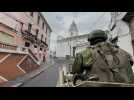
Images of soldiers patrolling the streets of Ecuador's capital, Quito, on armored vehicles after President Daniel Noboa declared a state of emergency. The small South American country has been plunged into crisis after years of growing control by transnational cartels that use its ports to ship cocaine to the United States and Europe. IMAGES
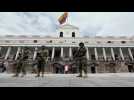
The military is deployed in the surroundings of the Palacio de Carondelet, Ecuador's presidential palace after new President Daniel Noboa declared a state of emergency in response to a drug kingpin's escape from prison. Officials have announced that four police officers were kidnapped following Noboa's announcement. IMAGES
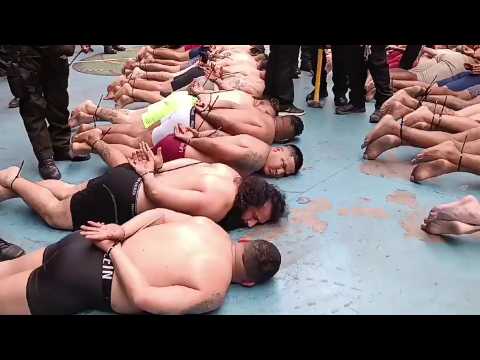
Images released by Ecuador's Armed Forces show military personnel and police officers carrying out a joint operation at the Zonal Penitentiary No 8 in the major port of Guayaquil. It comes amid the state of emergency declared in Ecuador on August 10, following the assassination of popular presidential candidate Fernando Villavicencio ahead of the elections. The leader of one of Ecuador's most powerful criminal groups Los Choneros, known as 'Fito', is incarcerated at the penitentiary. IMAGES
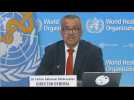
The World Health Organization declares that mpox no longer constitutes a global health emergency, almost exactly a year after the disease formerly known as monkeypox started spreading across the world. Following falling cases numbers, WHO chief Tedros Adhanom Ghebreyesus tells an online press conference he is "pleased to declare" that he had accepted the advice of the UN agency's emergency committee on mpox to lift its highest level of alarm. SOUNDBITE
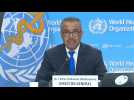
The Covid-19 pandemic, which for over three years has killed millions of people, wreaked economic havoc and deepened inequalities, no longer constitutes a global health emergency, says World Health Organization chief Tedros Adhanom Ghebreyesus. SOUNDBITE




 |
Support : Technical
|
Support : Technical  - Content
  - Editors
