Description
Added on the 19/02/2021 20:44:55 - Copyright : Euronews EN
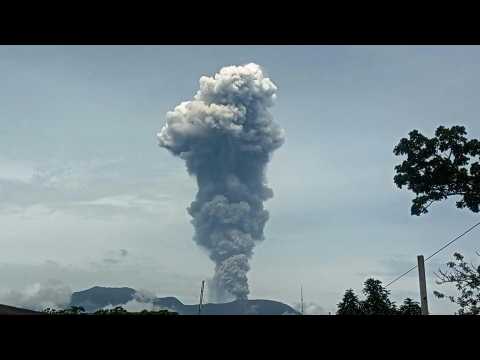
Mount Marapi in western Indonesia erupts, spewing an ash cloud more than a mile into the sky as authorities warn residents over potential dangers from cold lava flows. IMAGES
Footage released on the 17th of March show flaming lava pouring out of the crater of Indonesia's Mount Merapi, one of the world's most active volcanoes, which erupted late Friday and continues to spew hot ash and other volcanic material. Merapi also erupted last week, sending volcanic material 9,600 feet (3,000 metres) above the summit. IMAGES
Mount Sinabung spews hot ash and smoke into the sky in Karo, North Sumatra in Indonesia. Sinabung, a 2,460-metre volcano, was dormant for centuries before roaring back to life in 2010 when an eruption killed two people. After another period of inactivity, it erupted again in 2013 and has remained highly active since. IMAGES
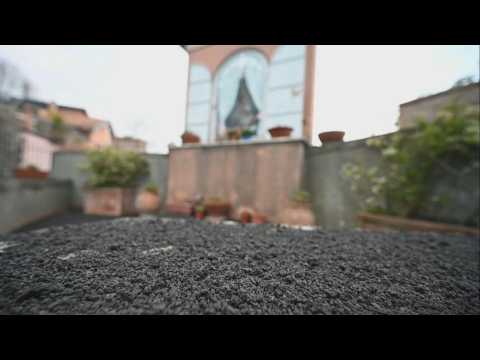
Ash covers the streets of the town of Milo at the foot of Mount Etna, which is continuing to spew smoke, ash and lapilli. IMAGES
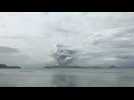
Broad columns of ash shoot from a volcano south of the Philippine capital on Monday, grounding hundreds of flights. IMAGES of ash spewing from volcano
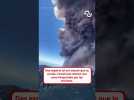
Le volcan Etna, en Sicile, est entré en éruption ce lundi 2 juin 2025 ! L'éruption et le nuage de cendres ont provoqué un mouvement de panique sur un flanc du mont, souvent fréquenté par des touristes et des randonneurs. Le président de la région de Sicile a déclaré qu'il n'y avait aucun danger pour la population. Des experts ont aussi assuré que la coulée n'avait pas atteint une zone fréquentée par les touristes. Une alerte rouge émise pour les autorités aériennes assure que la hauteur du nuage volcanique est estimée à 6,5km. L'aéroport de Catane, situé à proximité, reste pour l'instant opérationnel. Des caméras de surveillance ont capté "une coulée pyroclastique probablement causée par un effondrememnt sur le flanc nord du cratère sud-est", a précisé l'institut national de géophysique et de volcanologie. Une coulée pyroclastique se produit lorsque des roches volcaniques, des cendres et des gaz chauds dévalent les pentes d'un volcan.



 |
Support : Technical
|
Support : Technical  - Content
  - Editors
